Focus
Though the LCT-01’s scope is vast, encompassing nearly all clothing, and possibly accessories (pending internal considerations and debates), much of its work has focused on sewing pattern labels.
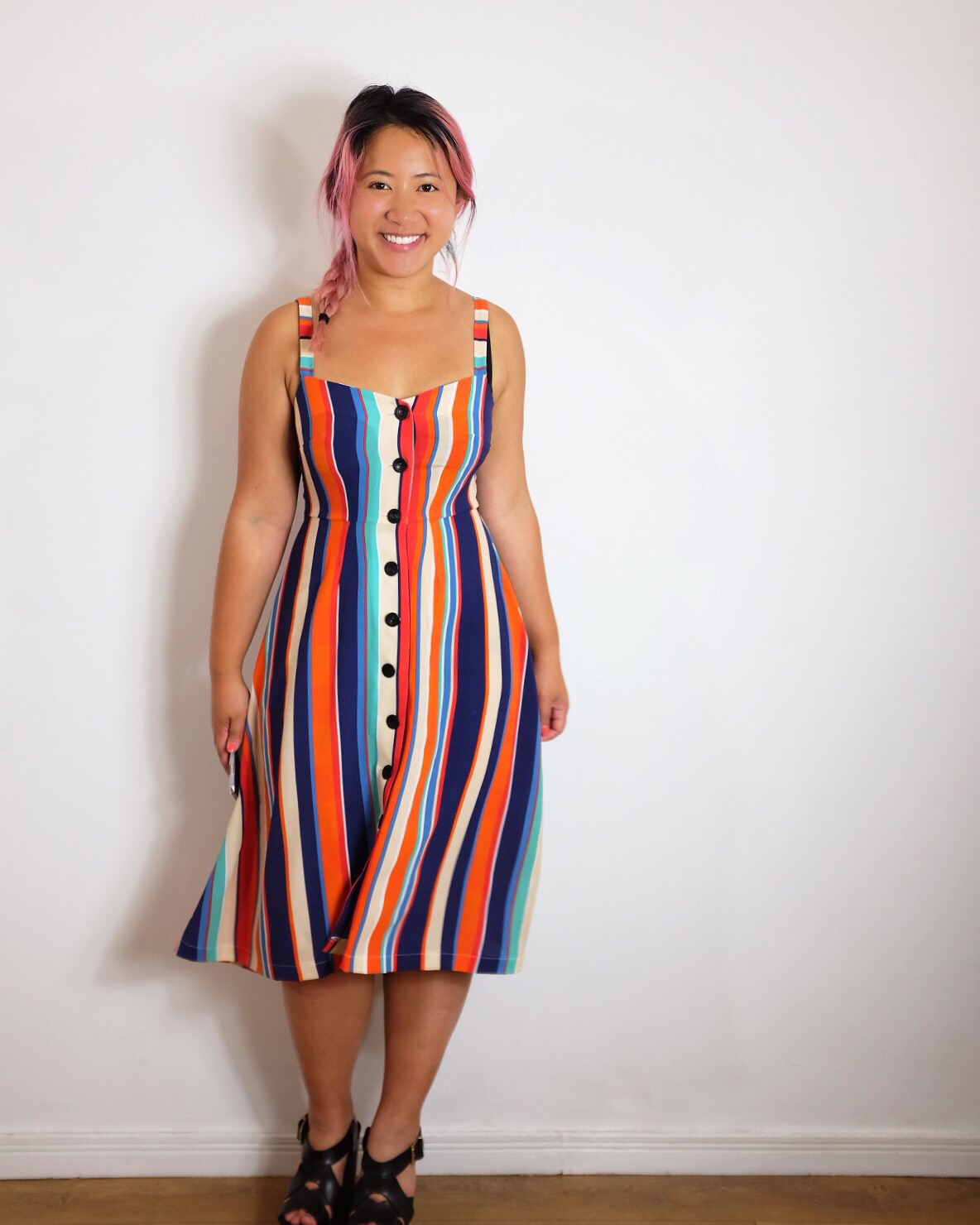
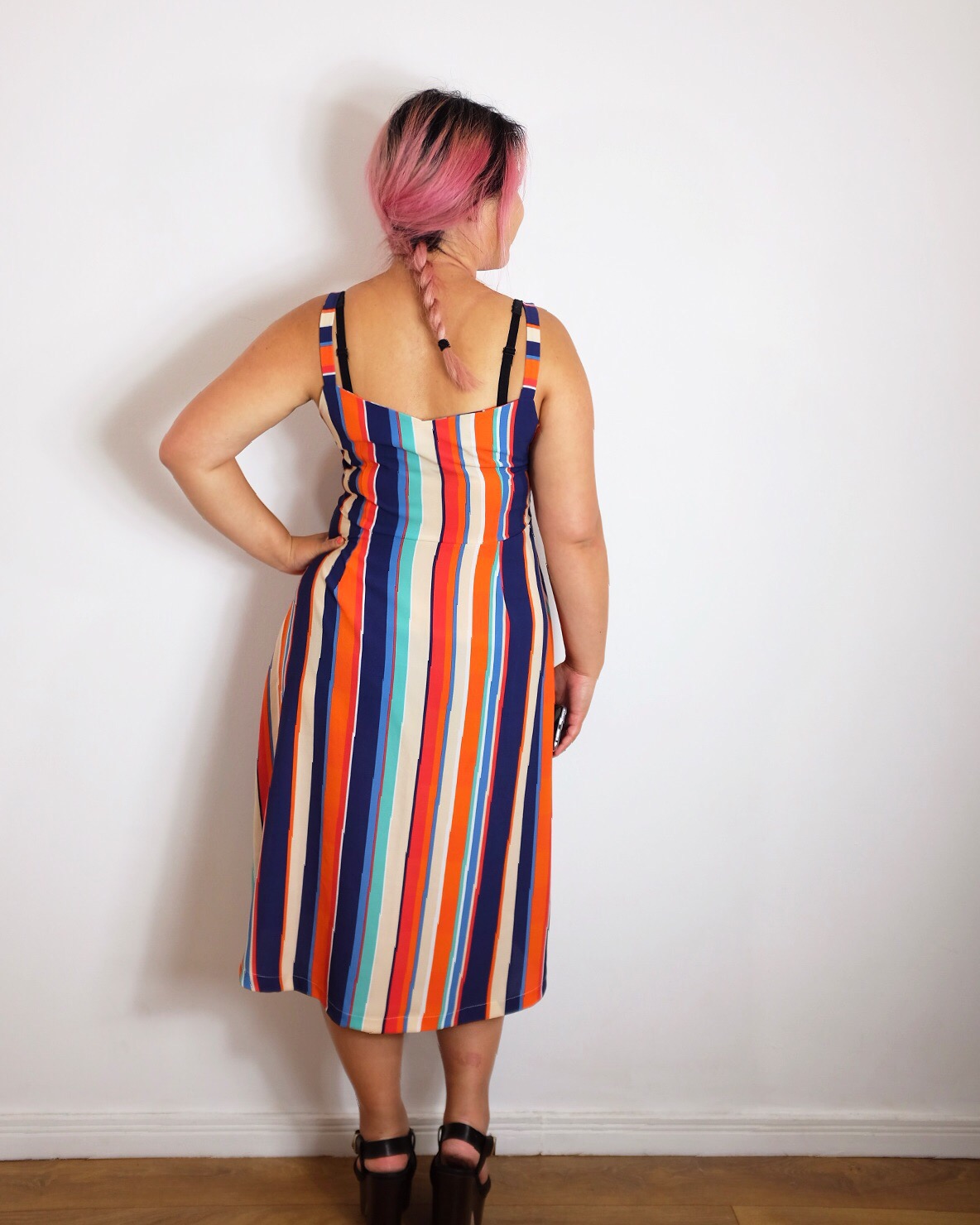
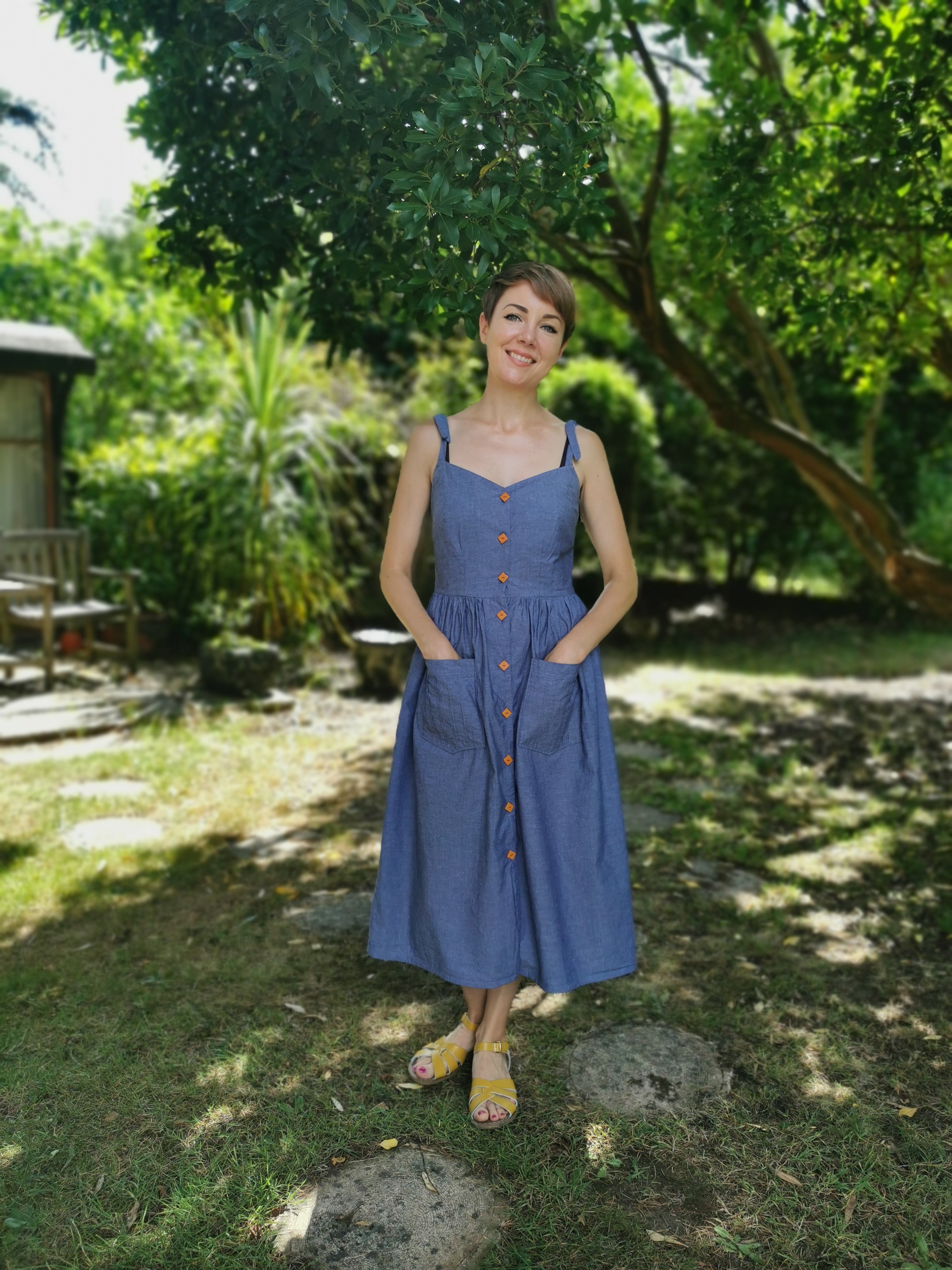
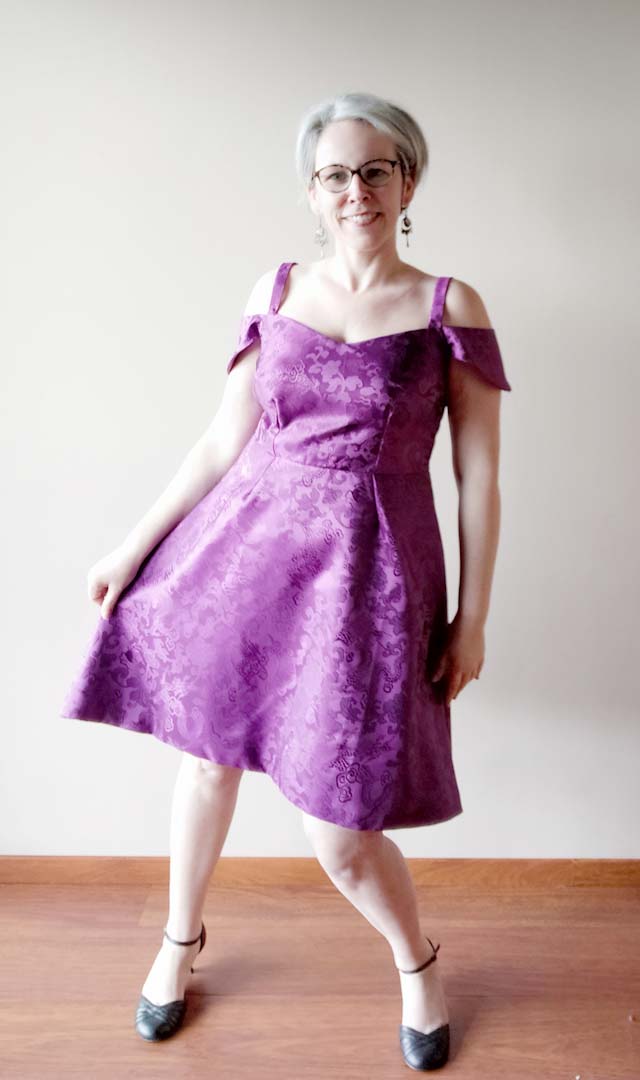
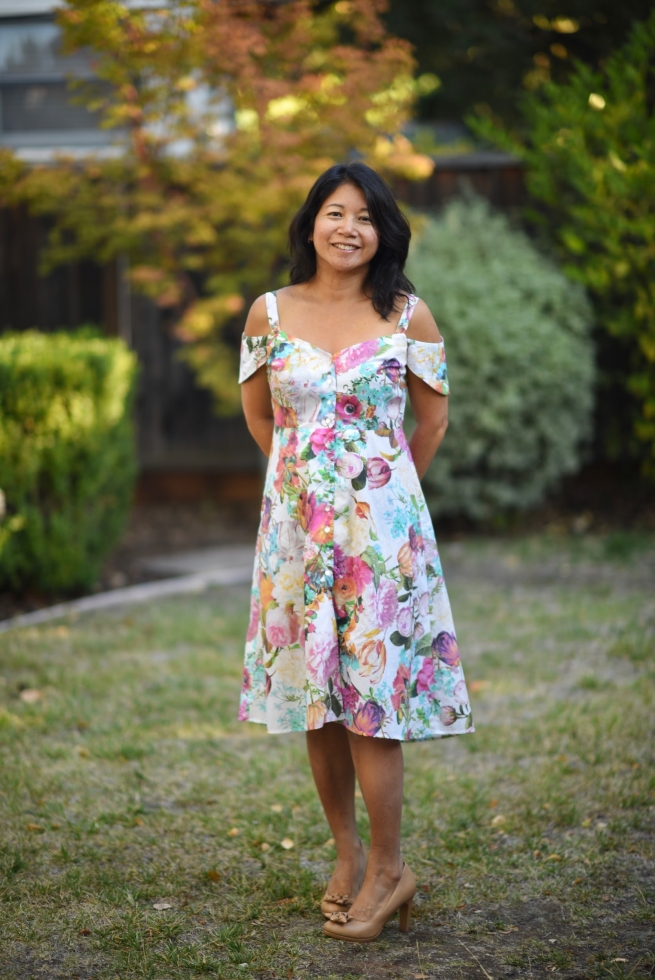
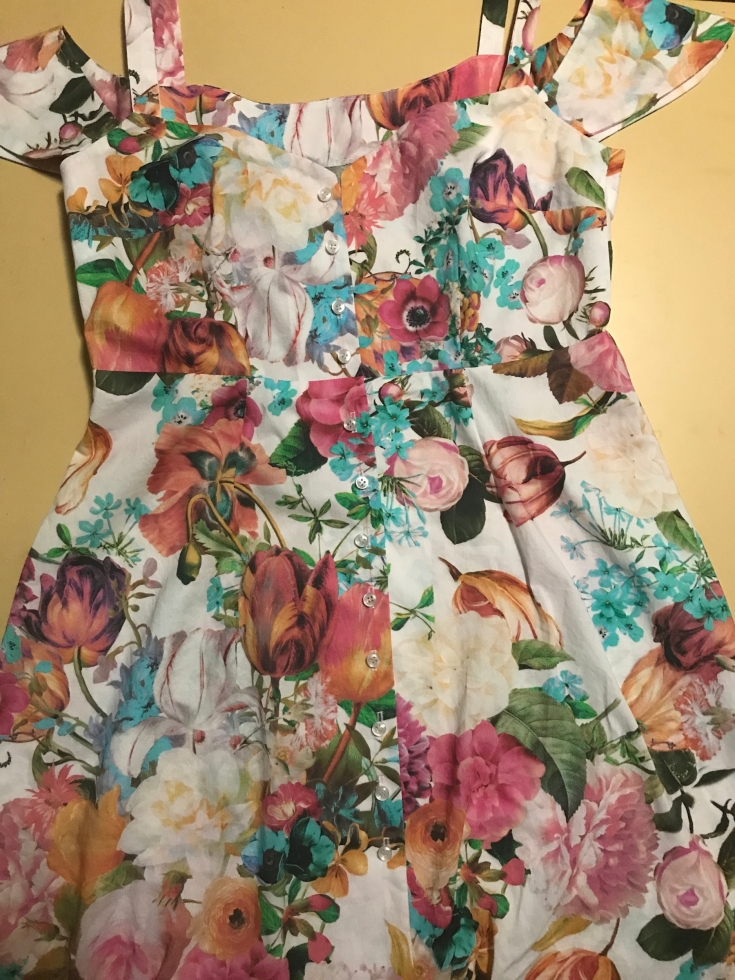
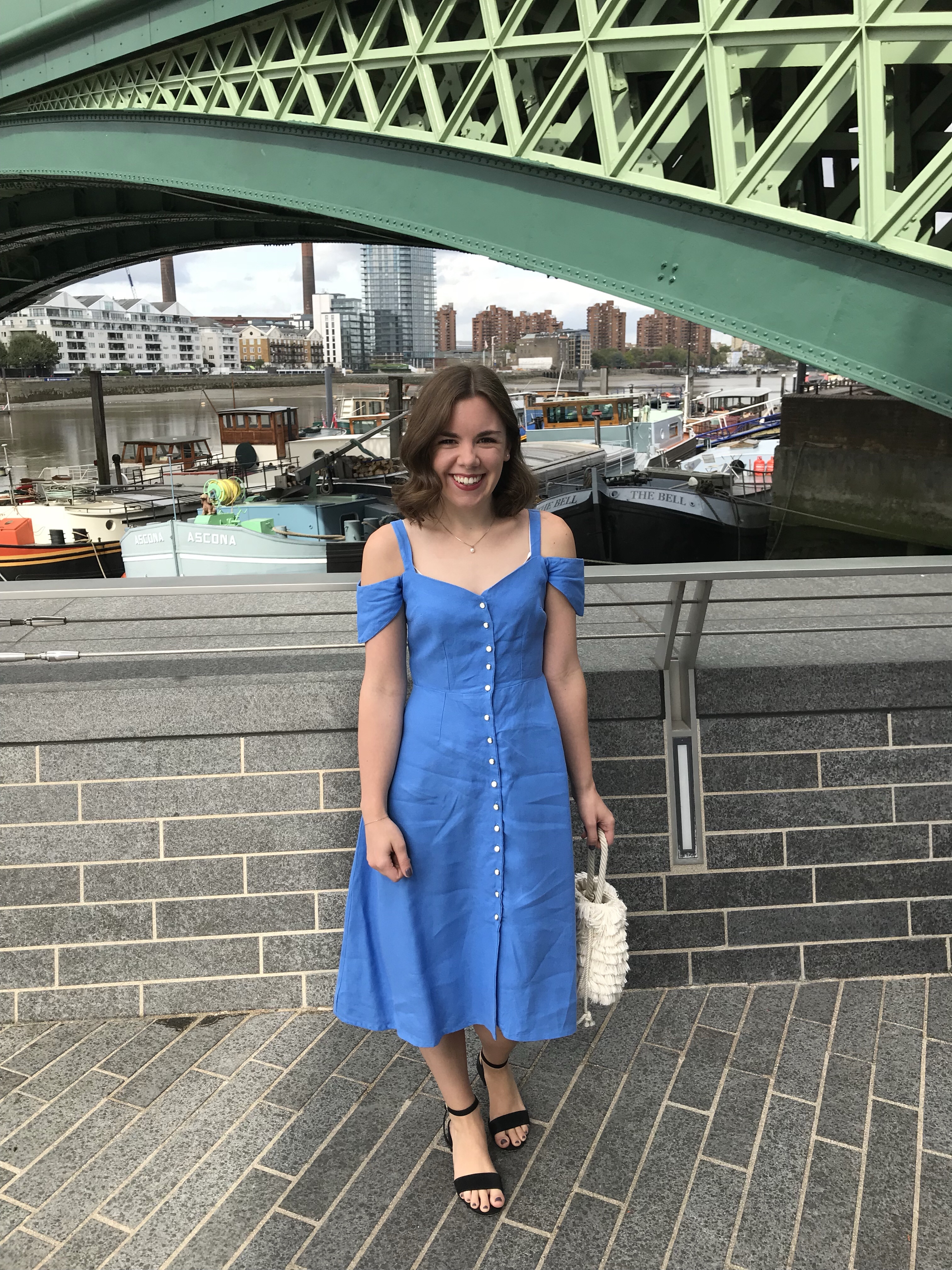
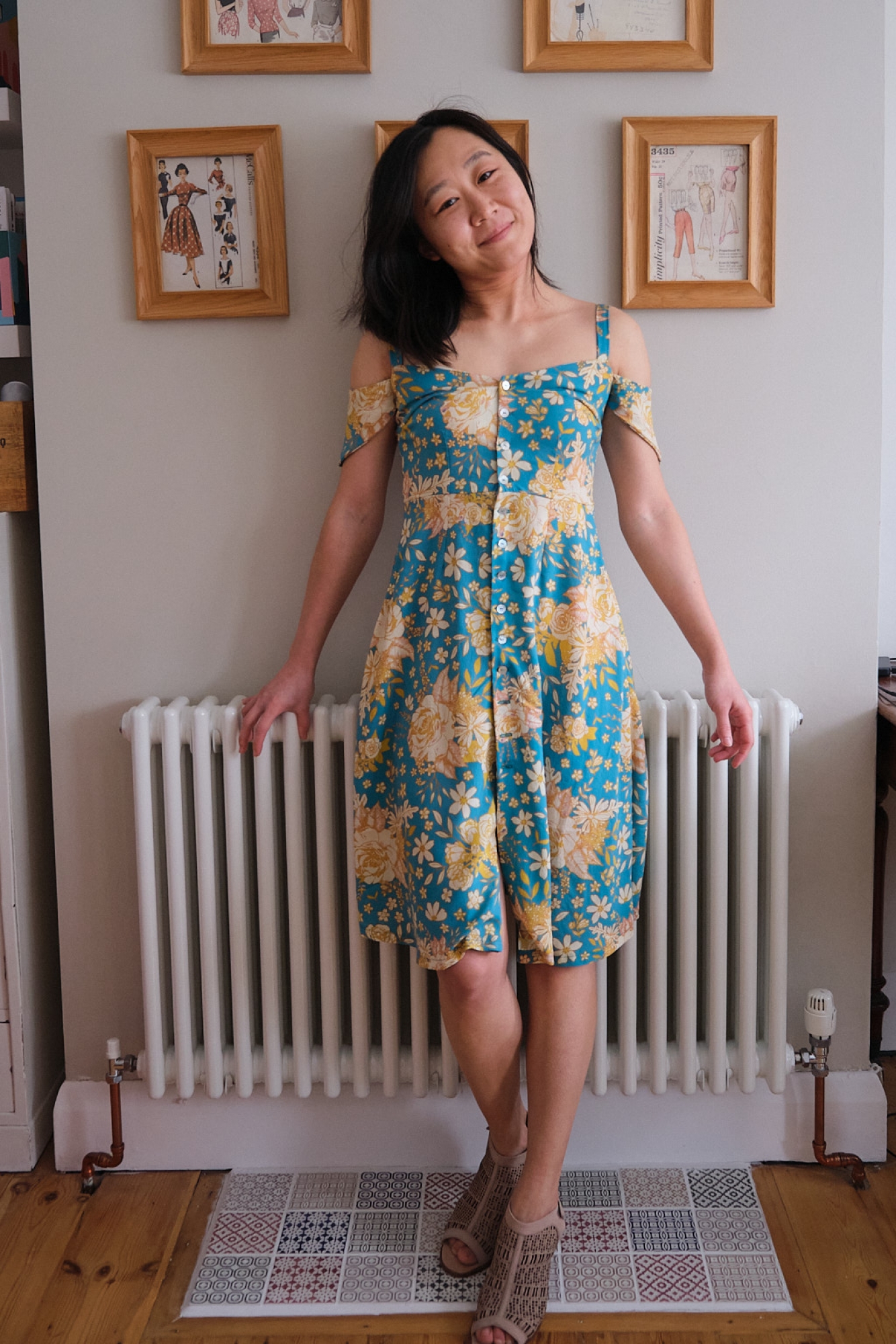
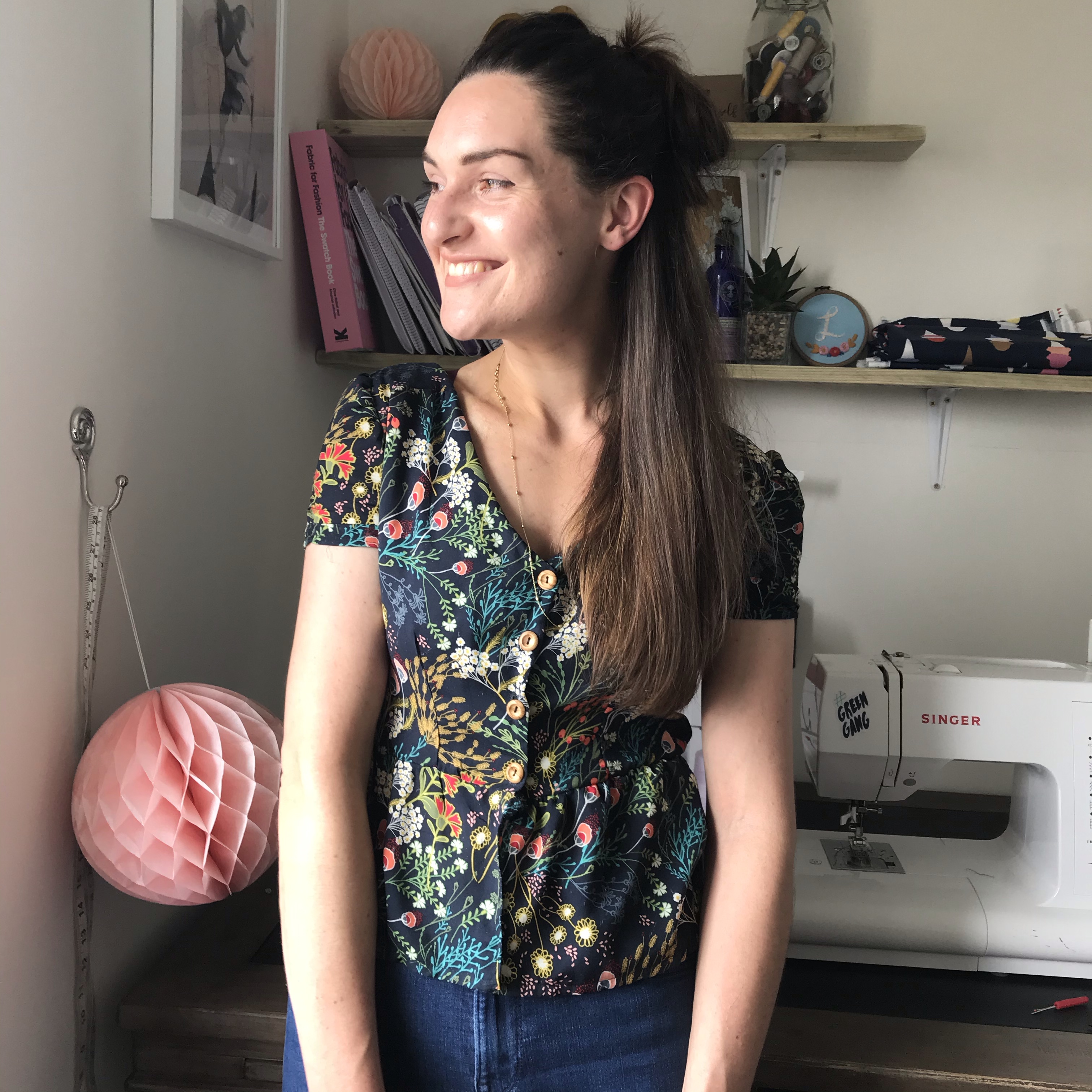
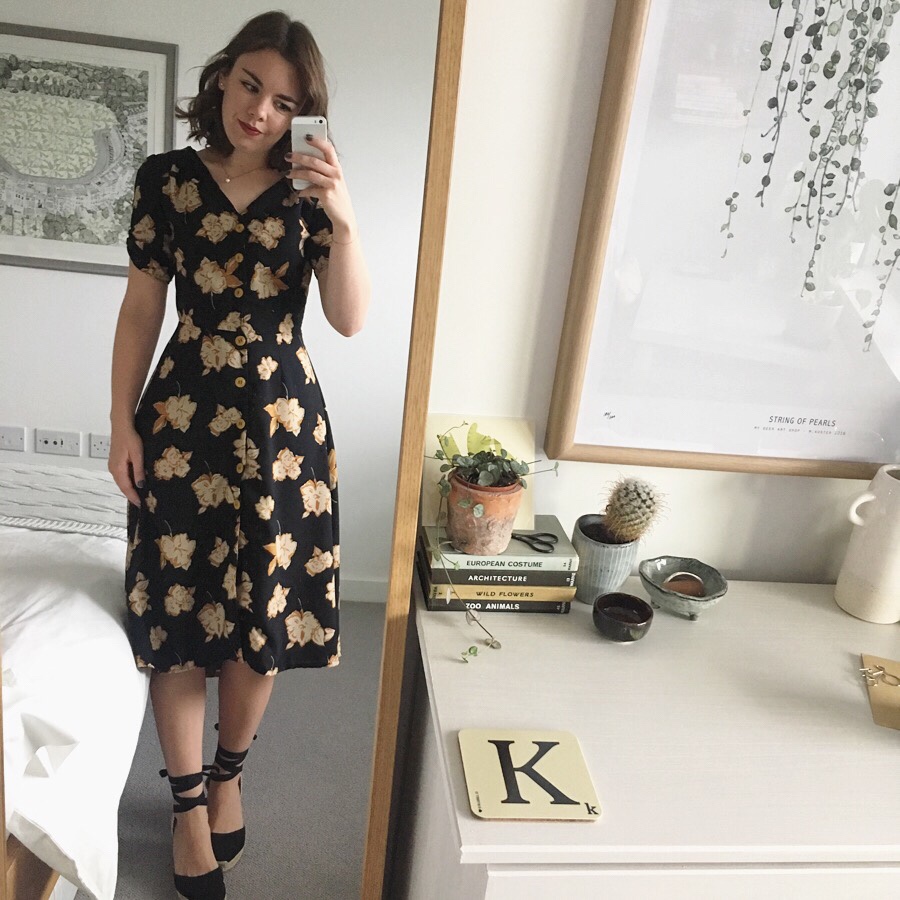
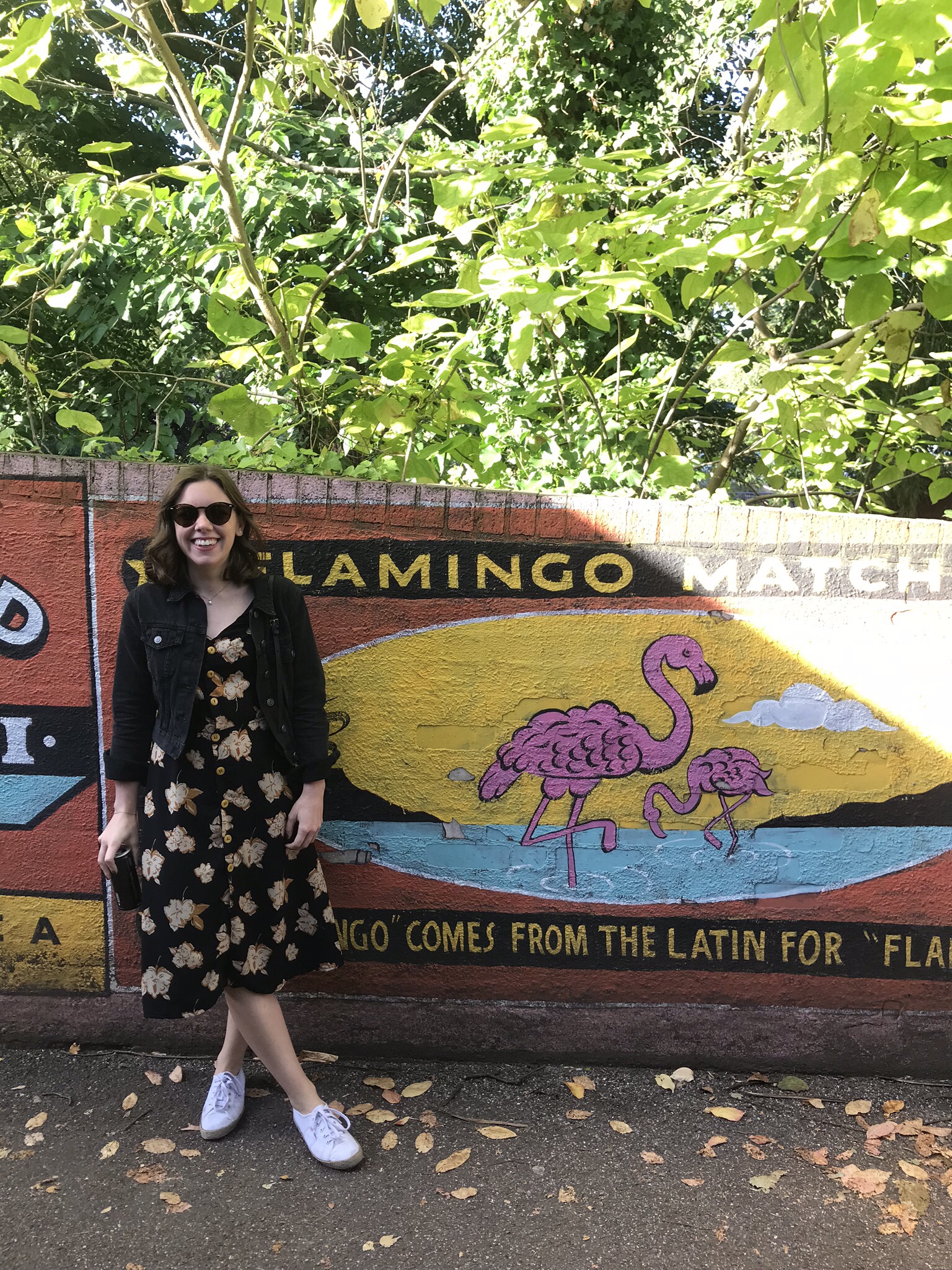
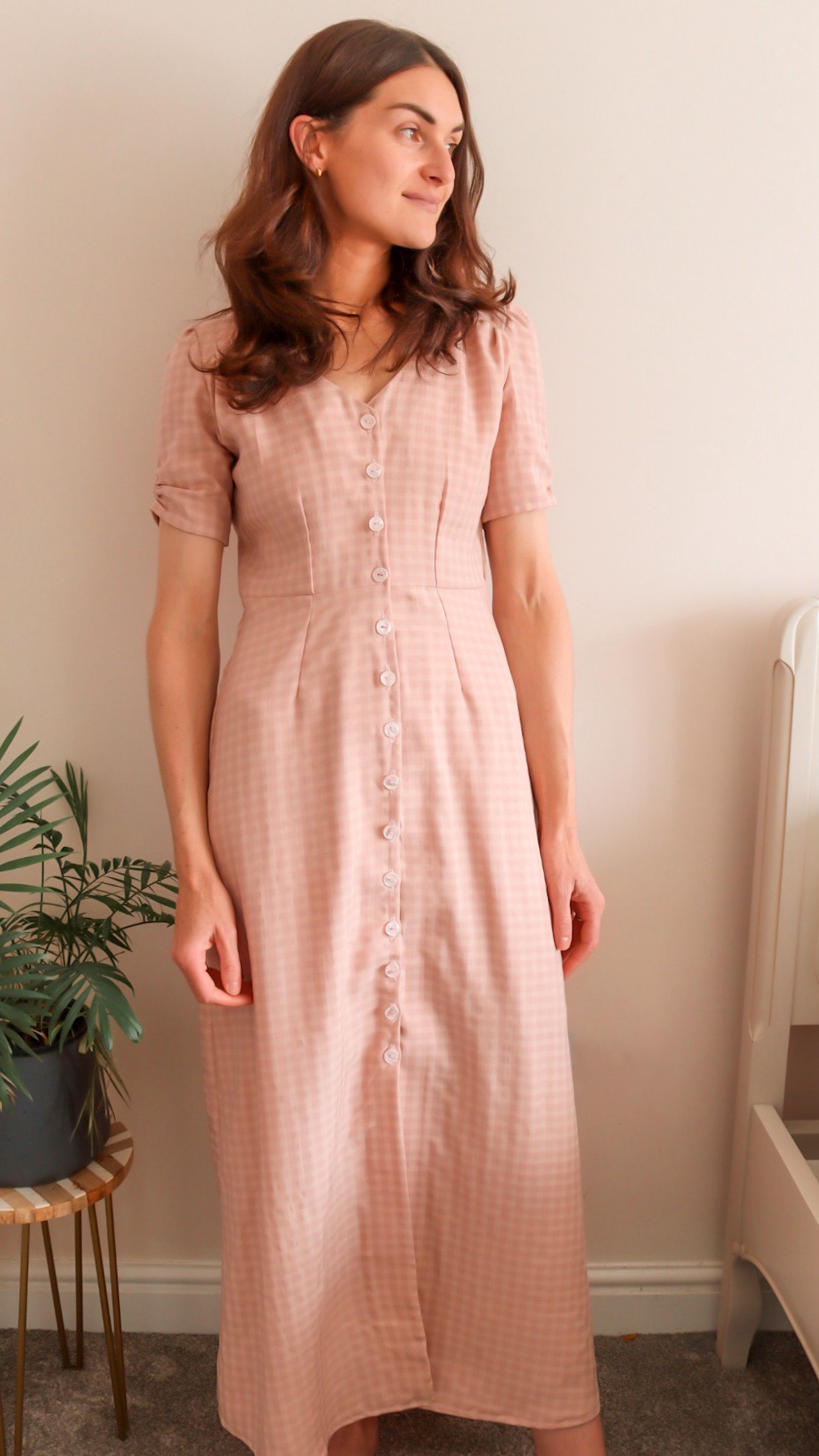
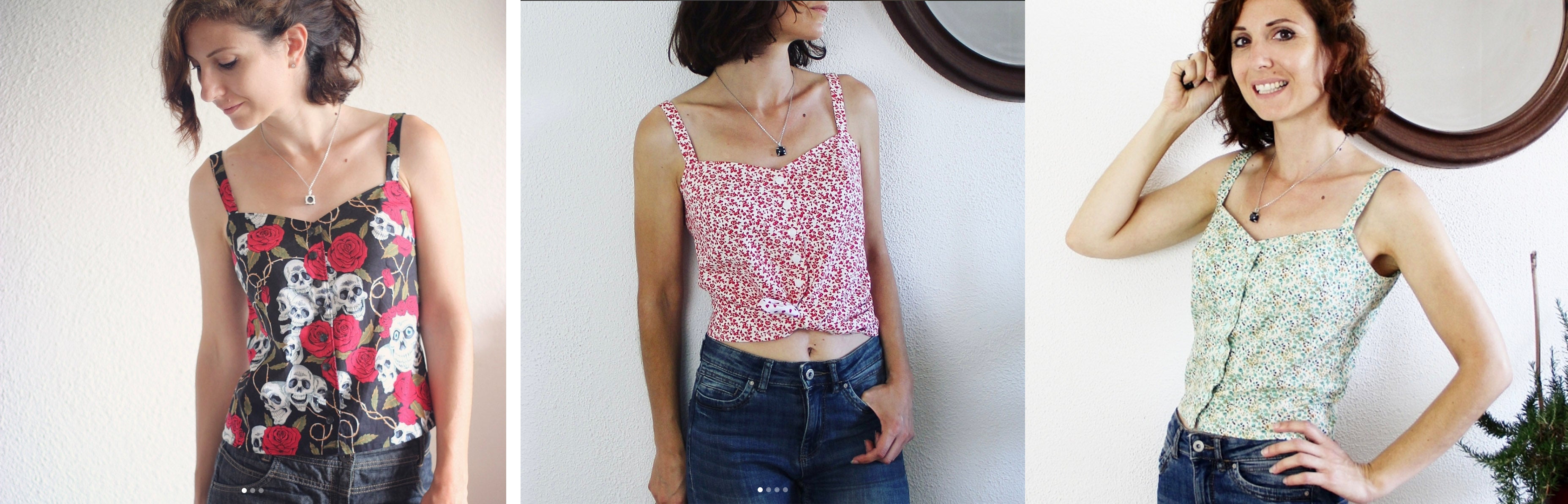
Numerous factors make the blogs written by sewists, part of an indie home sewing culture primarily concentrated in the Western world, exceptionally digestible primary material for the LCT-01. Photographs from multiple angles provide views of the garment, allowing a taxonomist with a good eye to identify features not documented in the text. Their observations can then be synthesized with the text itself, which describes alterations, life stories, and other morphological changes made to fit its wearer, such as divergences from the pattern, that would require a taxonomist to physically inspect the specimen (which is infeasible ethically and practically).
The sewing pattern itself, mostly in PDF format, can be thought of as the last universal common ancestor of its taxon [6] and as the bauplan (body plan) of its child taxa. When a sewist creates a garment from a pattern, a phylogenetic link emerges between the pattern and the garment, significantly more traceable and certain than biological taxa, which can only be hypothesized.
Major entities that the LCT-01 has covered and has yet to publish taxonomic treatments of include labels such as Nina Lee (the main focus of this article), By Hand London, and Tilly and the Buttons. Persons include Tilly Walnes (the owner of Tilly and the Buttons); Elisalex de Castro Peake (now known as Elisalex Jewell) and Charlotte Hintzen (though she has since left), the founders of By Hand London; and the focus of this article, Nina Chang-Smith and her Nina Lee label—though this paper discusses her Kew dress, and Kewbello trousers, some 20 patterns remain to be taxonomized.
Structure
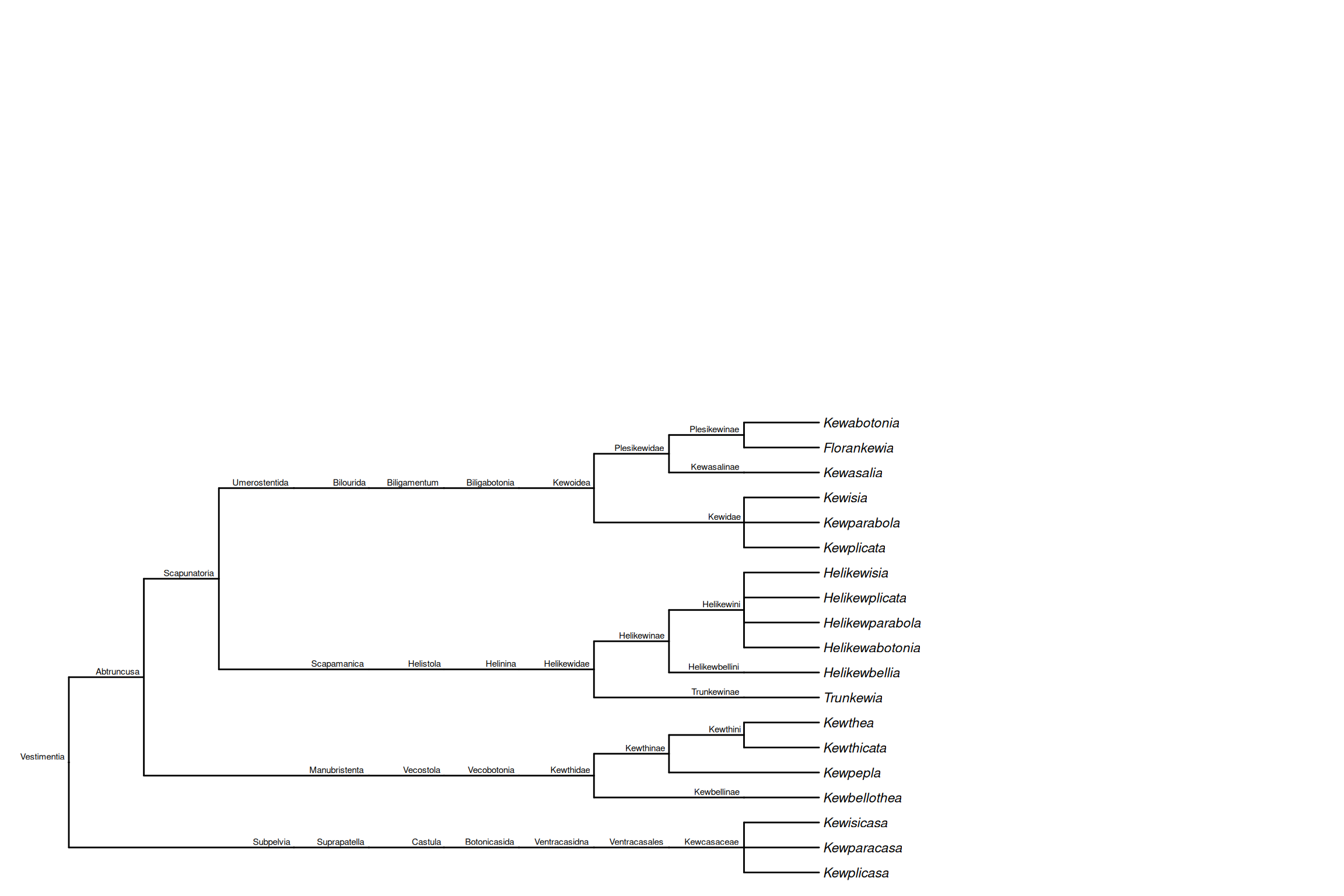
We present an abridged version of the LCT-01’s high level structure, only including the taxa relevant to the Kew dresses at hand. A full graph is presented in Figure 1; and here we present basic descriptions of the high level taxa for context, as we have yet to publish more detailed descriptions in the Journal.
Domain Vestimentia is the root of the taxonomy. From Latin vestimentum (“clothing”), while its definitions are fuzzy, it encompasses garments worn on the human body, excluding standalone accessories.
Kingdom Abtruncusa, from Latin ab “down from” + truncusa “torso”, encompasses dresses and tops, and in general, any garment worn on the human torso.
Phylum Scapunatoria, from Latin scapula “shoulder” + denudator “denude, expose”, encompasses garments that expose one or more shoulders.
Class Umerostentida, from Latin umerus “shoulder” + ostenta “expose”, encompasses garments that have a sleeve lateral to the upper arm while exposing at least one shoulder.
Subclass Bilourida, from Latin bi- “two” + Greek lourida “strap”, encompasses garments that have bilateral single straps; i.e one strap on each side of the body.
Order Biligamentum, from Latin bi- “two” + ligamentum, encompasses dresses with bilateral single straps. A dress here is defined as terminating inferior to the pelvic area.
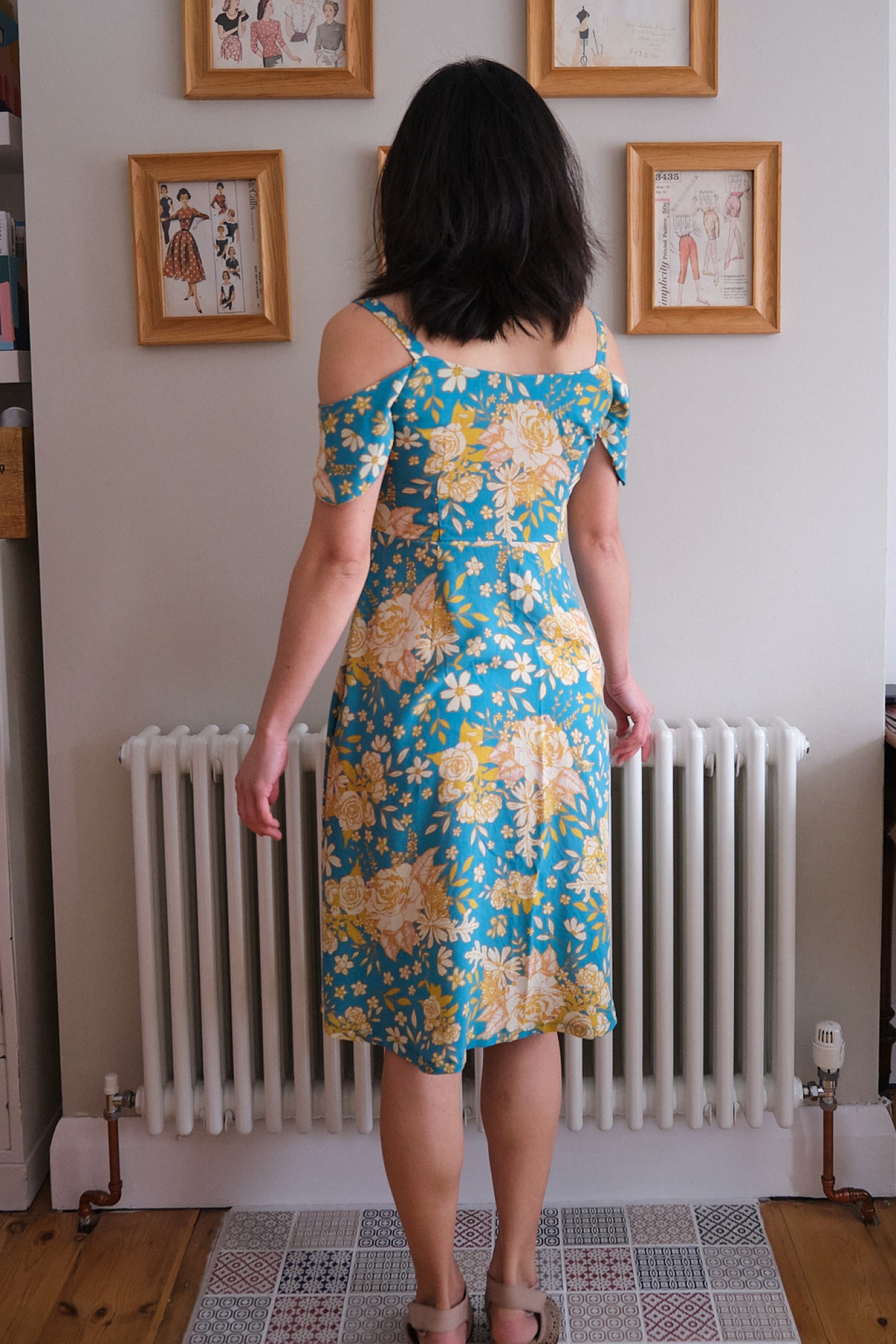
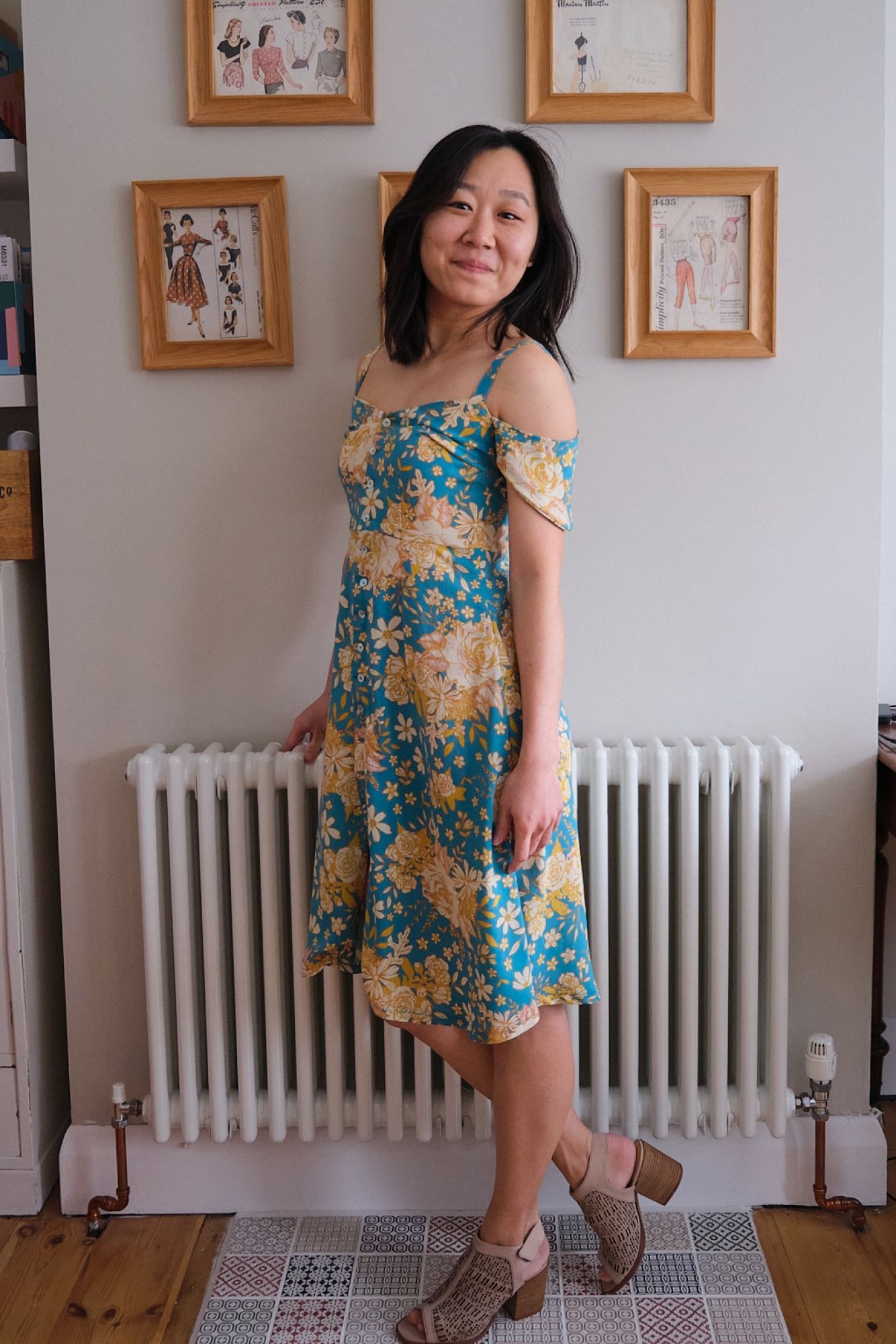
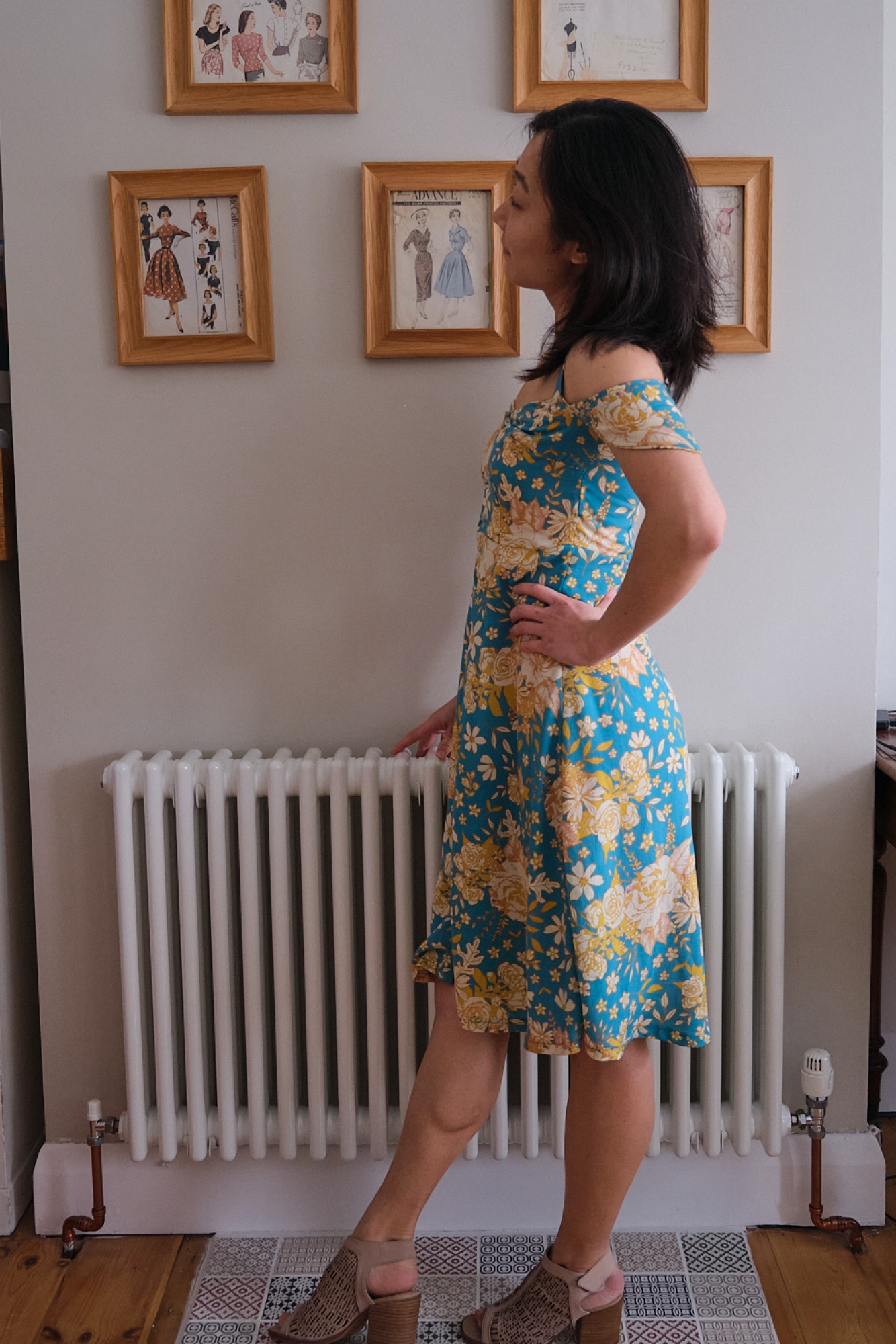
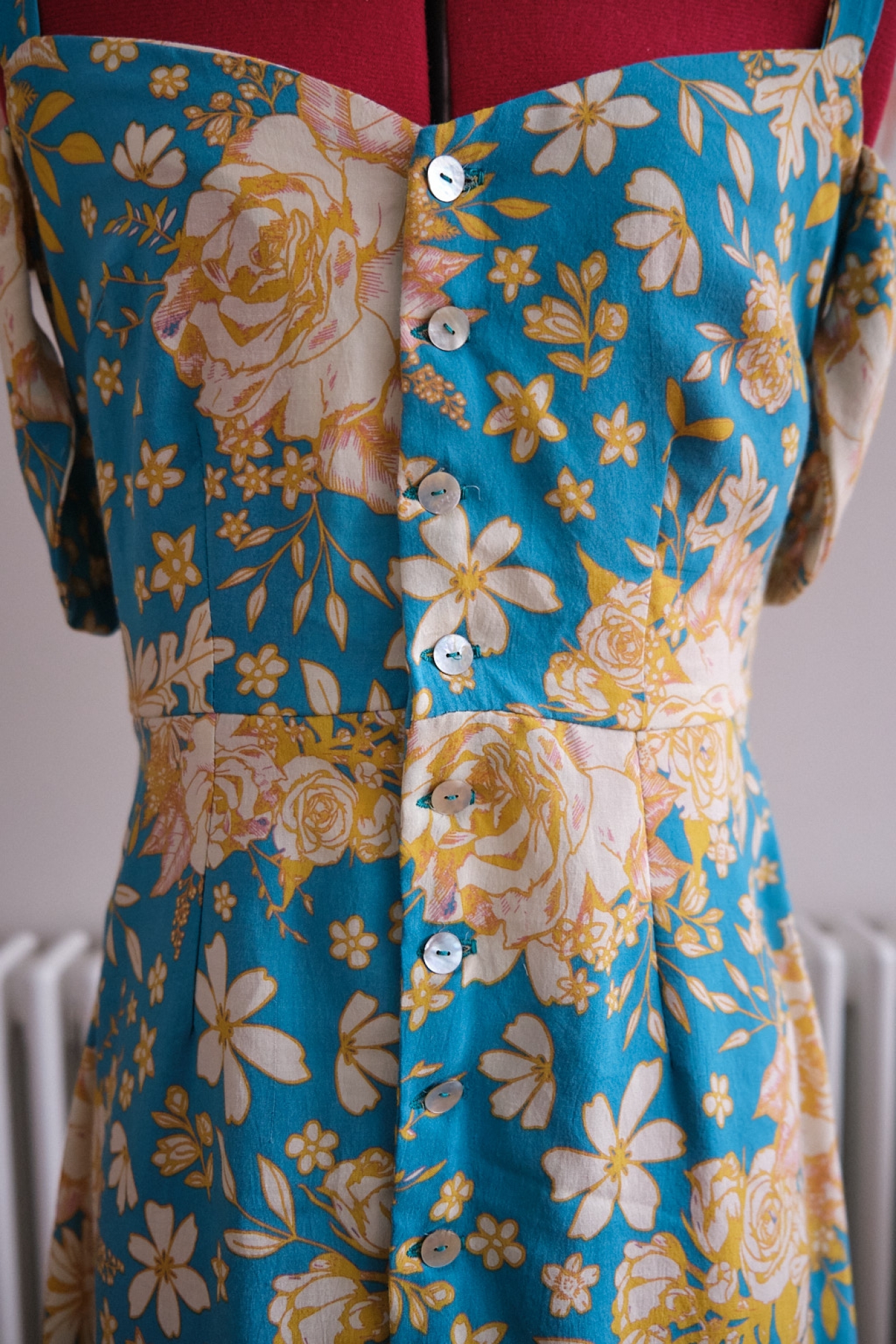
Suborder Biligabotonia, from its parent Biligamentum and Latin botonia “button”, encompasses dresses with a ventral medial button row.
Superfamily Kewoidea: See Section 2.4.1.
Subphylum Scapamanica, from its parent Scapunatoria, combined with Greek a- “no” + Latin manica “sleeve”, encompasses sleeveless garments that expose the shoulder.
Class Helistola, from Greek helios “sun” + Latin stola “dress”, encompasses sundresses; sleeveless garments that expose the shoulder and have slightly thick straps.
Order Helinina, from Helistola + Nina’s name, encompasses sundresses made from Nina Lee patterns.
Family Helikewidae: See Section 2.4.2.
Phylum Manubristenta, from Latin manubrium “handle”, the name for the top part of the sternum (breastbone), and ostenta “expose”, encompasses garments whose necklines are low enough to expose the skin above the manubrium, slightly inferior to the bottom of the neck.
Class Vecostola, from ve “V” + Latin collum “neck” + stola “dress”, encompasses garments with a V-neck.
Order Vecobotonia, from Vecobotonia + Latin botonia “button”, encompasses garments with a ventral medial button row.
Family Kewthidae: See Section 2.4.3.
Clade Subpelvia: Directly below Vestimentia, the clade Subpelvia encompasses multiple kingdoms that encompass clothing below the pelvic region.
Kingdom Suprapatella, from Latin supra- “above” + patella “knee”, encompasses garments that start at or below the pelvis, but above the knee.
Phylum Castula, from Latin castula, encompasses skirts, garments that originate from the pelvis and only have a single “tube” that covers the human body, as opposed to trousers, shorts, or other garments with two “tubes” that cover each leg individually.
Class Botonicasida, from Latin botonia + -casida, suffix for skirt classes, encompasses skirts with a button row.
Subclass Ventracasidna, from ventral + -casidna, suffix for skirt subclasses, encompasses skirts with a ventral button row.
Order Ventracasales, from ventral + -casales, suffix for skirt orders, encompasses skirts where the ventral button row is positioned medially.
Family Kewcasaceae: See Section 2.5.
Family Portobellidae, incertae sedis in Suprapatella, encompasses the Portobello trousers by Nina Lee. It is often sewn as a standalone garment, but it has been incorporated into the Kew numerous times, and thus falls within the scope of this paper.
A tree is as follows:
- Domain Vestimentia
- Kingdom Abtruncusa
- Phylum Scapunatoria (shoulder exposed)
- Class Umerostentida (sleeves lateral to upper arm)
- Subphylum Scapamanica
- Class Helistola (no sleeves, with straps)
- Phylum Manubristenta (shoulder covered, manubrium exposed)
- Clade Subpelvia (sub-pelvic origin)
- Kingdom Suprapatella (sub-pelvic, but above knee)
- Phylum Castula (skirts)
- incertae sedis
Taxonomic history
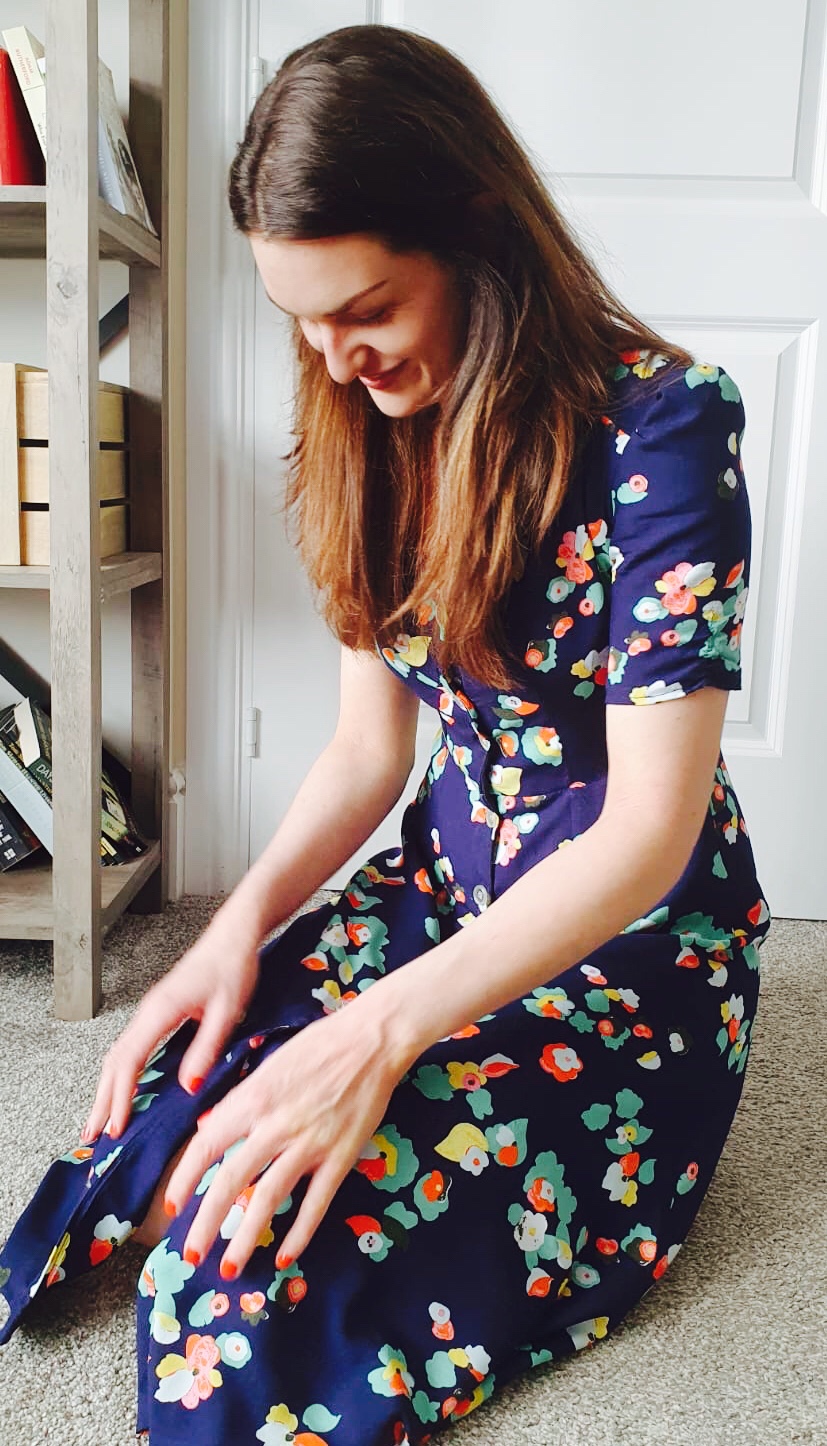
Lemuria discovered the Kew dress through a 2017 video by the American YouTuber and vlogger Kristin Lehrer, known online as Voolenvine (see [7]). In the video, she wore a Kew dress, and in the description included a link to Nina Lee’s website for the pattern. This Kew dress is now known as Kewisia kristinae Lemuria, 2026.
Though the LCT-01 was developed in September 2025, it was “dormant” at the time he first saw Lehrer’s video. He began another period of activity regarding the taxonomy in January 2026; the earliest edits on his internal MediaWiki site, the Lemuria Wiki, pertaining to the Kew, specifically K. kristinae, date back to the end of January.
Throughout February and early March, Lemuria continued taxonomizing sewing patterns, including the Kew. In mid-March, he established Lemuria’s (Informal) Journal of Clothing Taxonomy (LICT) as a citizen science/gray literature journal to share his findings.
As of March 16, 2026, the LCT-01 encompasses some 250 species and 70 genera.